Modernizing Legacy Stacks: A CEO's Guide
The risk of doing nothing vs. the risk of rewriting. How to choose the right modernization path.
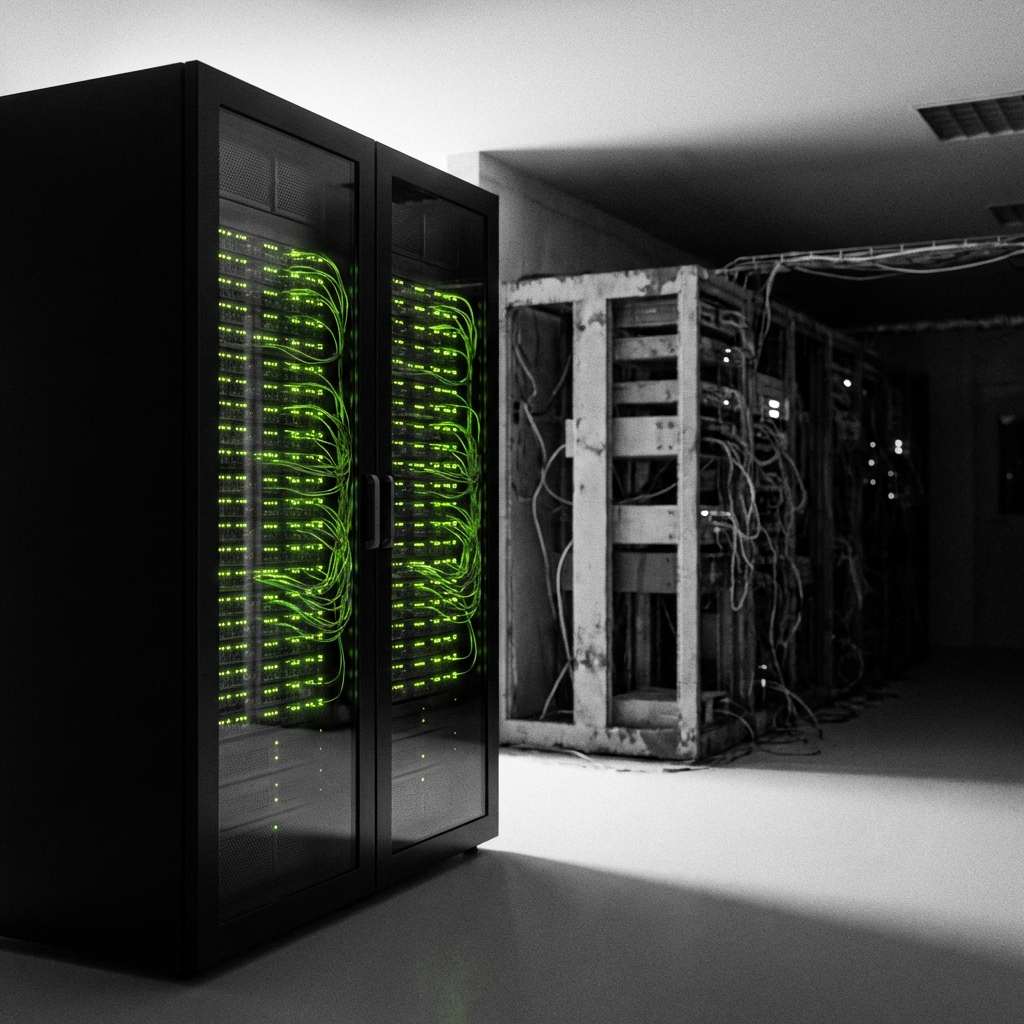
“If it ain’t broke, don’t fix it.” This adage has kept mainframe COBOL systems running banks for fifty years. But in the modern digital economy, “not broke” is not the same as “competitive.” Legacy technology stacks—monolithic architectures, on-premise servers, outdated languages—are the single biggest anchor dragging down agility and innovation in established companies.
For a CEO, the question is not if you should modernize, but how and when.
The Hidden Cost of Legacy
The cost of legacy tech is often invisible on the P&L until it’s too late.
- Talent repel: Top engineering talent does not want to work on a 15-year-old PHP codebase or maintain a Fortran system.
- Slow Time-to-Market: Adding a new feature to a spaghetti-code monolith might take 6 weeks, whereas a nimble competitor can do it in 2 days.
- Security Vulnerabilities: Old stacks often rely on libraries that are no longer supported, leaving wide-open doors for hackers.
The Trap of the “Big Bang” Rewrite
The most common mistake CEOs make is authorizing a “Big Bang” rewrite. “Let’s just scrap the old system and build version 2.0 from scratch in the cloud!”
History is littered with the corpses of these projects. They almost always go over budget, over time, and fail to reach feature parity. Meanwhile, the legacy system still has to be maintained, doubling your costs. And by the time V2.0 is done, the market has moved on.
The Strangler Fig Pattern
A better approach is the “Strangler Fig” pattern. Just as a fig tree grows around a host tree and eventually replaces it, you build new features as microservices around the legacy monolith.
- Identify a seam: Pick one specific function (e.g., “User Authentication” or “Checkout”).
- Build it new: Build that service using modern tech (Node.js, Python, AWS Lambda).
- Proxy traffic: Route traffic for that function to the new service.
- Repeat: Slowly chip away at the monolith until it is gone.
This reduces risk. You deliver value immediately with each new service. If something breaks, you only break one feature, not the whole platform.
Invest in the “Plumbing”
Modernization isn’t just about code; it’s about infrastructure. Containerization (Docker) and Orchestration (Kubernetes) might sound like buzzwords, but they are the shipping containers of the digital world. They allow you to deploy software consistently anywhere. investing in CI/CD (Continuous Integration/Continuous Deployment) pipelines is non-negotiable. It is the assembly line that allows you to ship code safely and frequently.
Conclusion
Modernizing a legacy stack is like renovating a house while you are living in it. It is messy, dusty, and inconvenient. But the alternative is living in a ruin. CEOs must view technology modernization not as a one-time Project, but as a continuous state of hygiene—an investment in the company’s ability to survive the future.